-
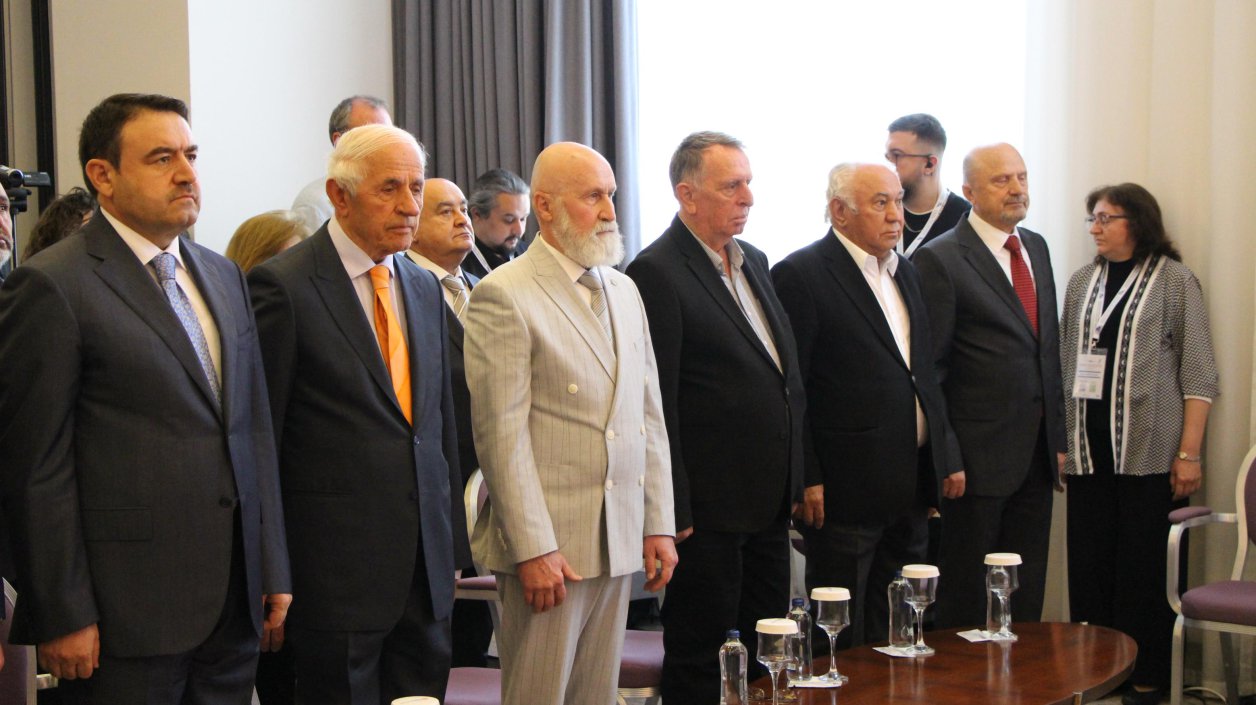 Opening Ceremony of 16th Symposium. From left to right: Musa Işın (Governor of Kütahya), Nafi Güral (Business Man), Mustafa Kemal Altınsoy (President of the Kütahya Fine Arts Association), Tuncer Kırdar (Business Man), İsmet Çatık (Business Man), Nihat Delen (Business Man), Emel Funda Türkmen (The Chair of Scientific Committee)
 -
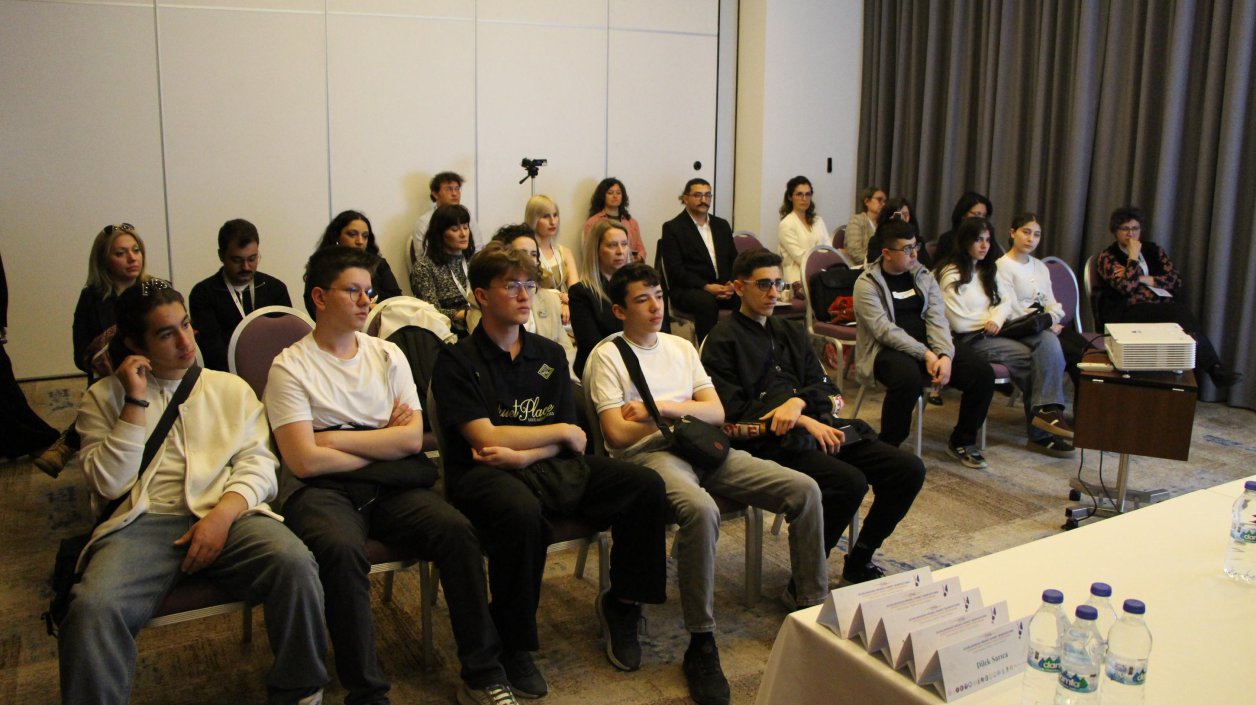
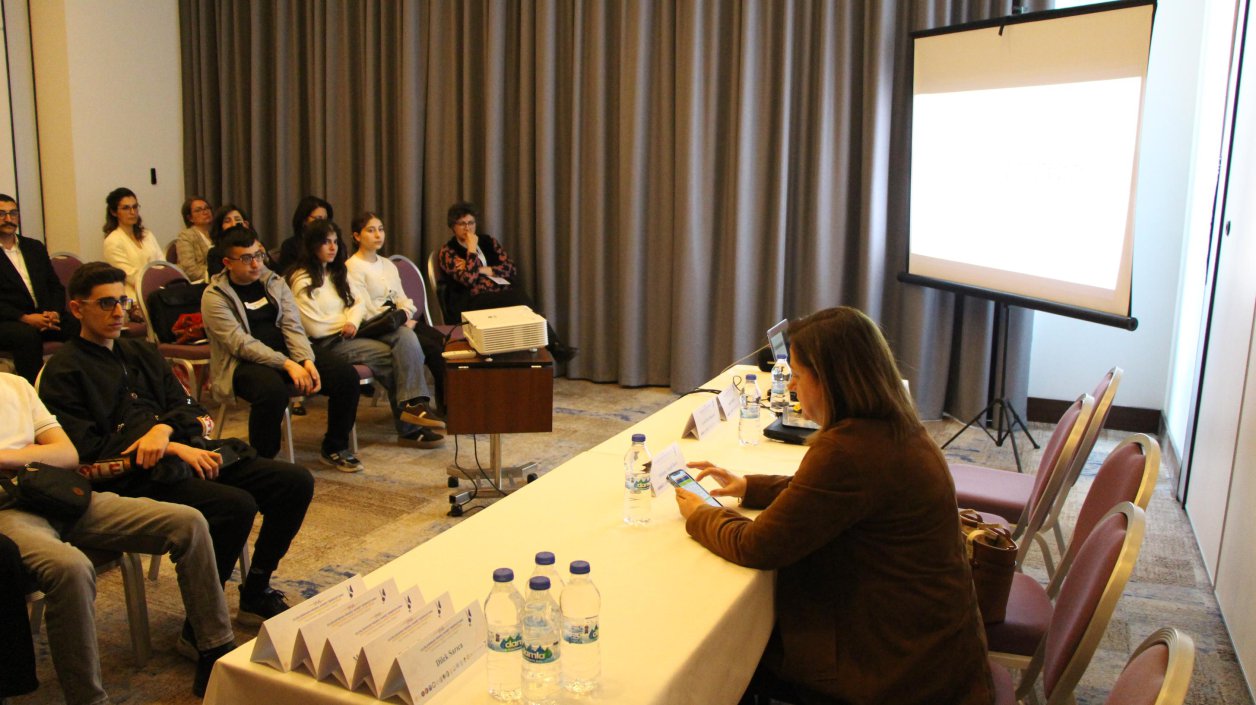
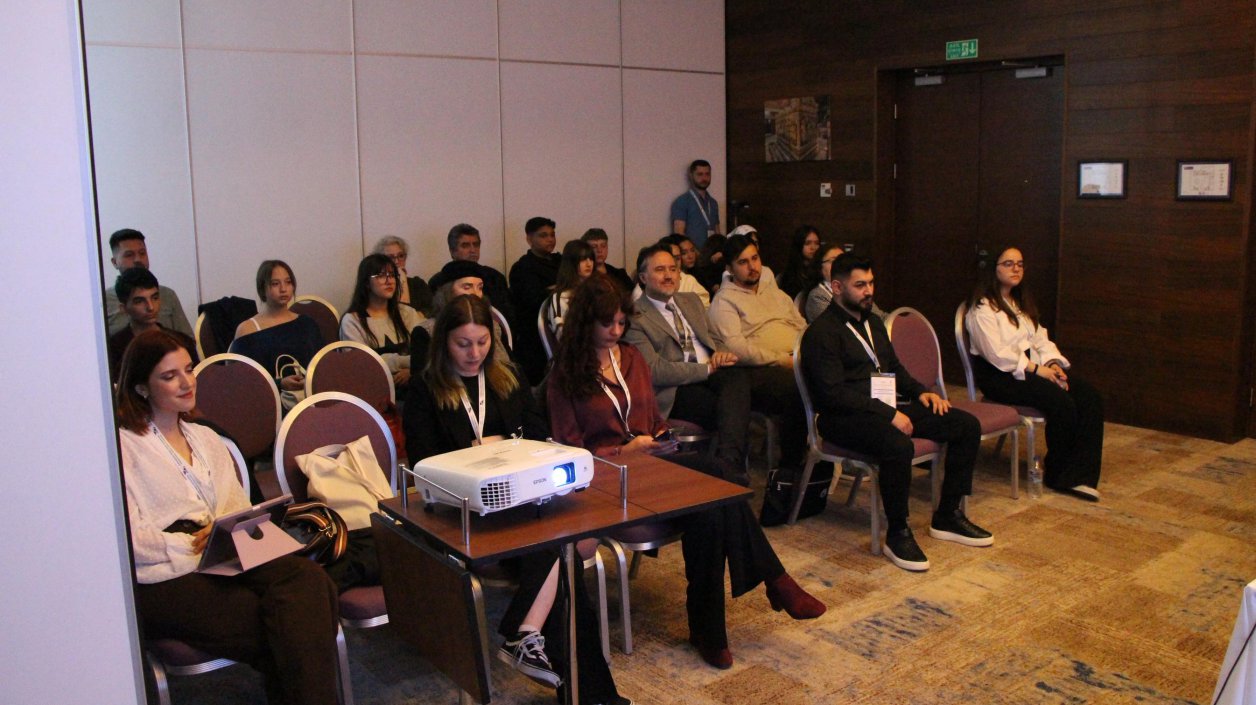
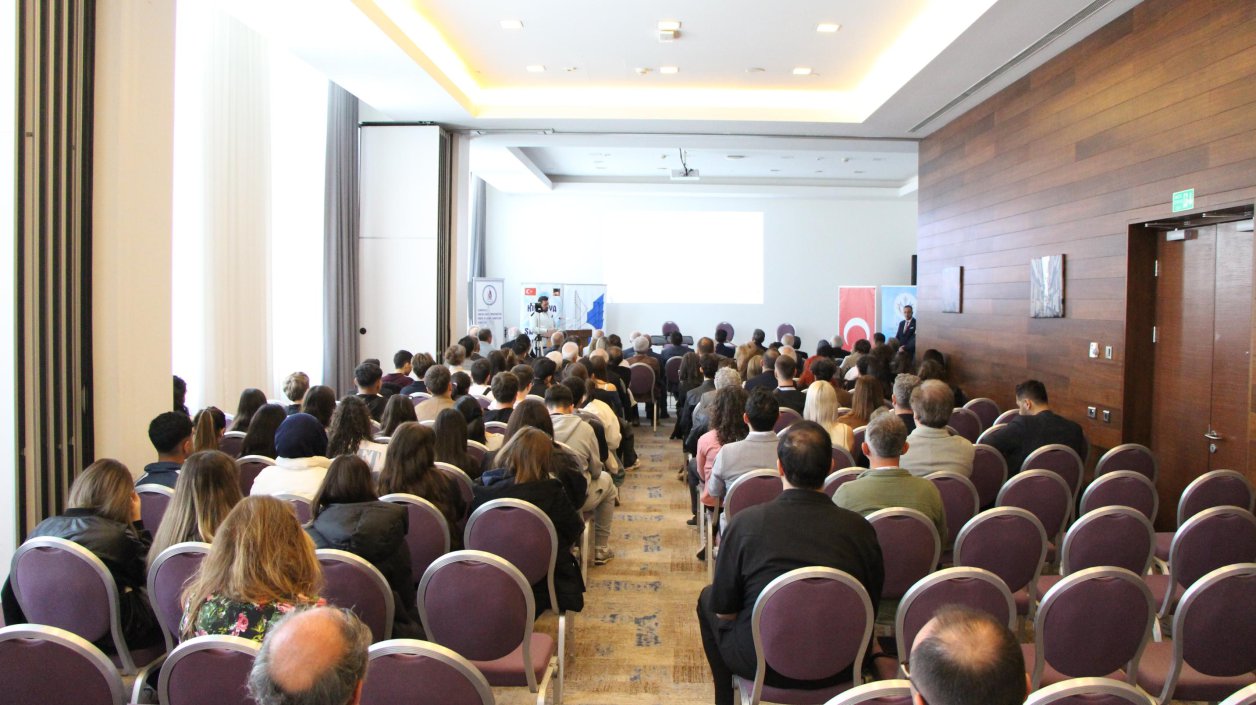 From the Opening Ceremony.
 -
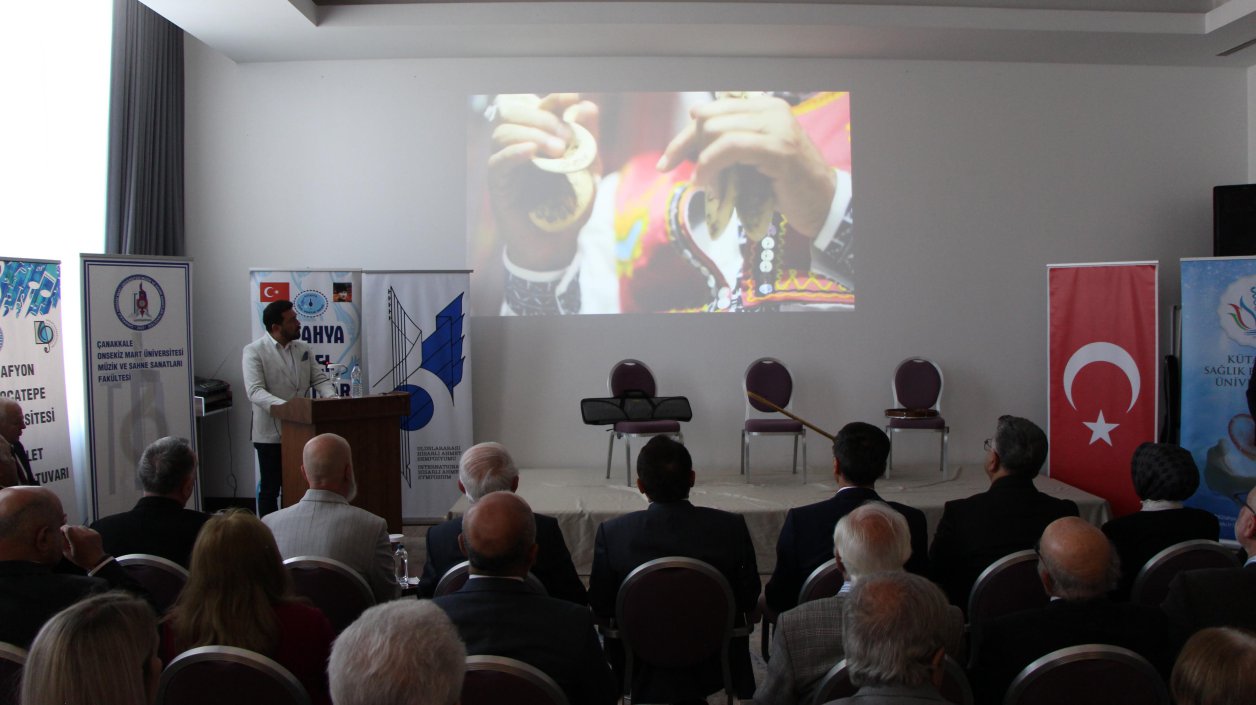 From the Opening Ceremony.
 -
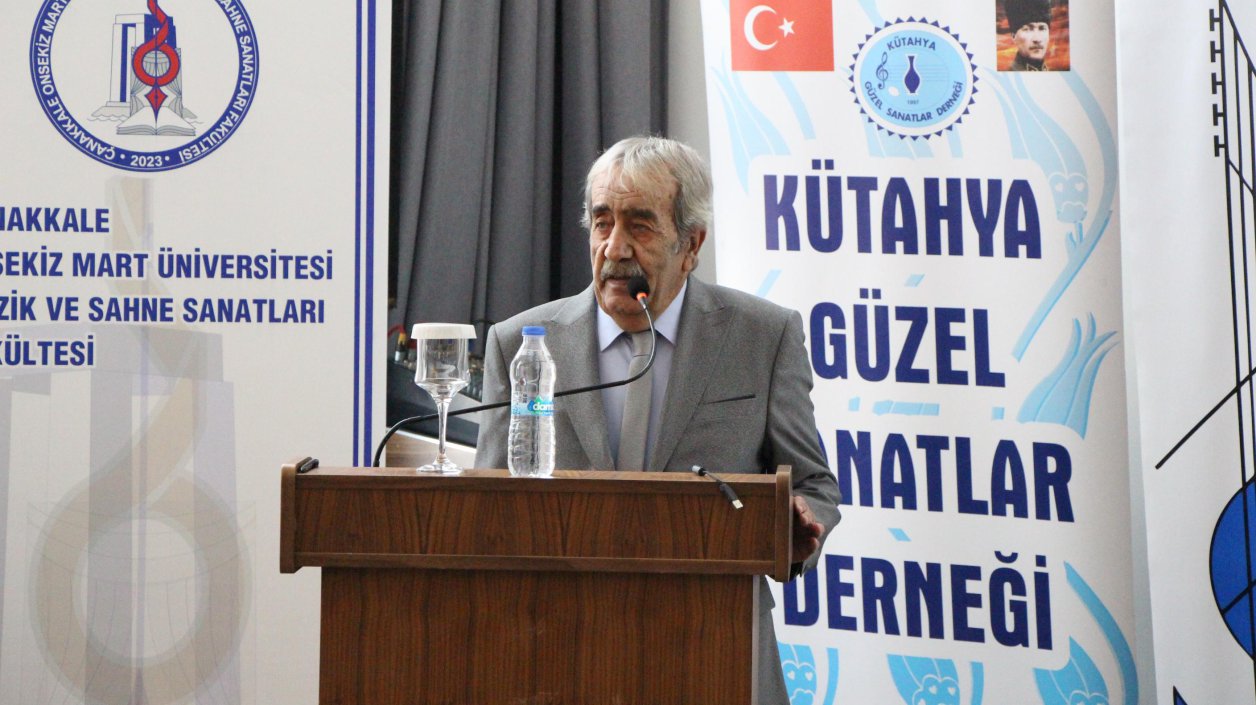 Ismail Pektaş, the grandson of Hisarlı Ahmet.
 -
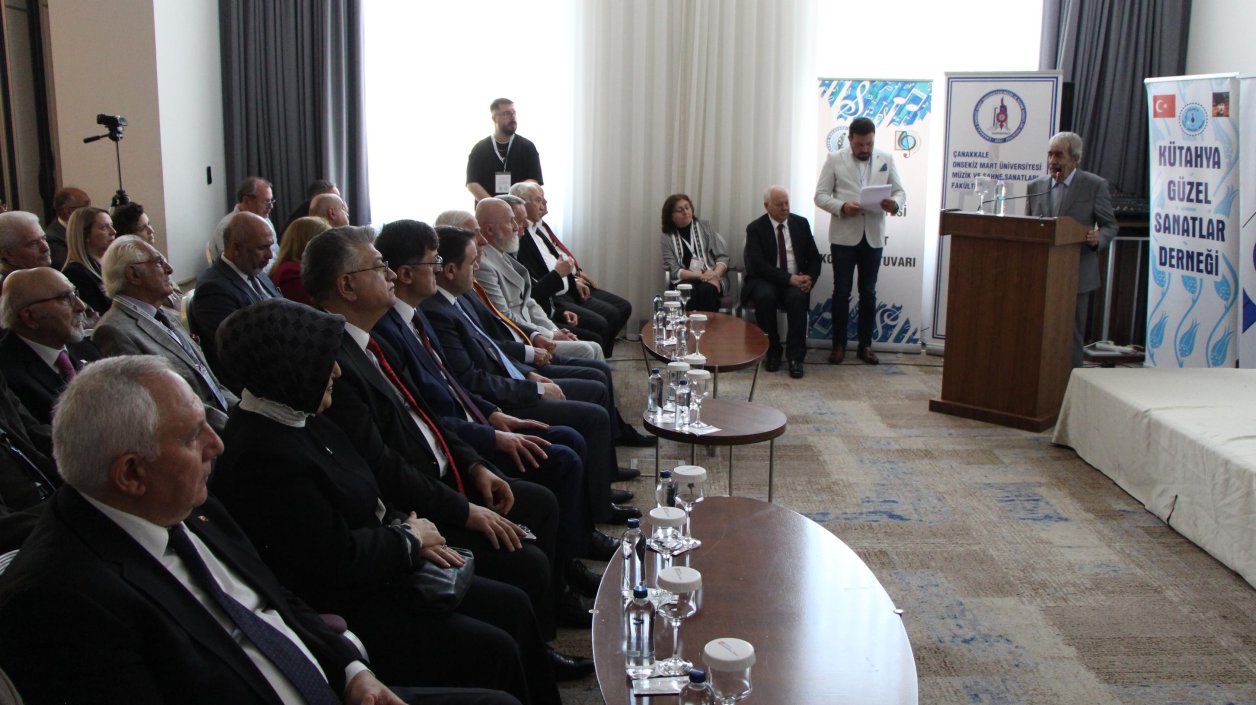 From the Opening Ceremony.
 -
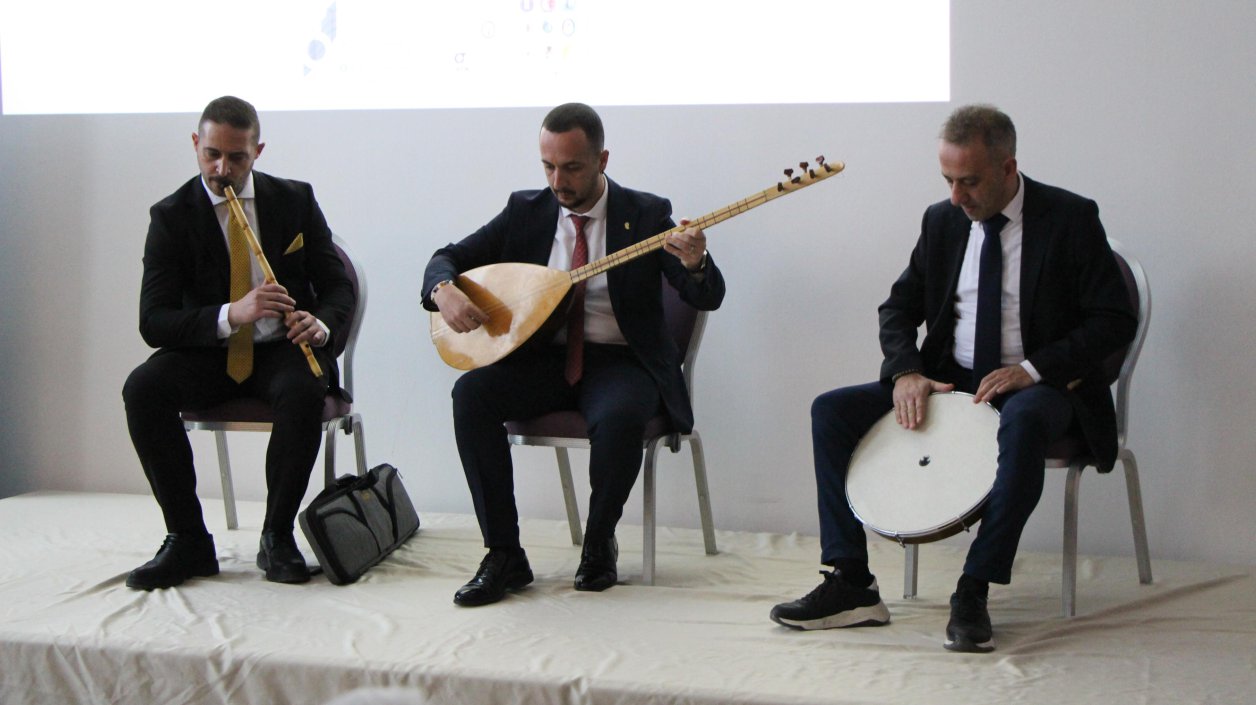 Concert of Opening Ceremony: Mehmet Sevim (ney), Oğuzhan Kavukçu (bağlama), Mehmet Özdemir (bendir)
 -
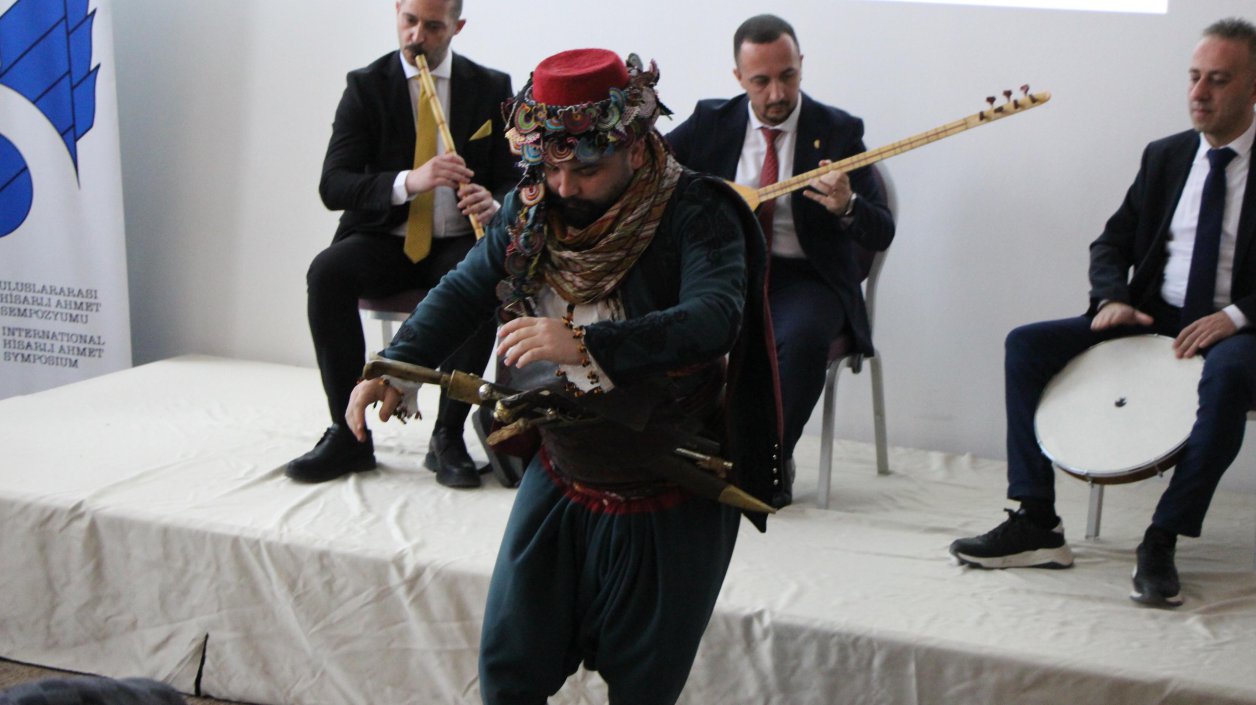 Concert of Opening Ceremony
 -
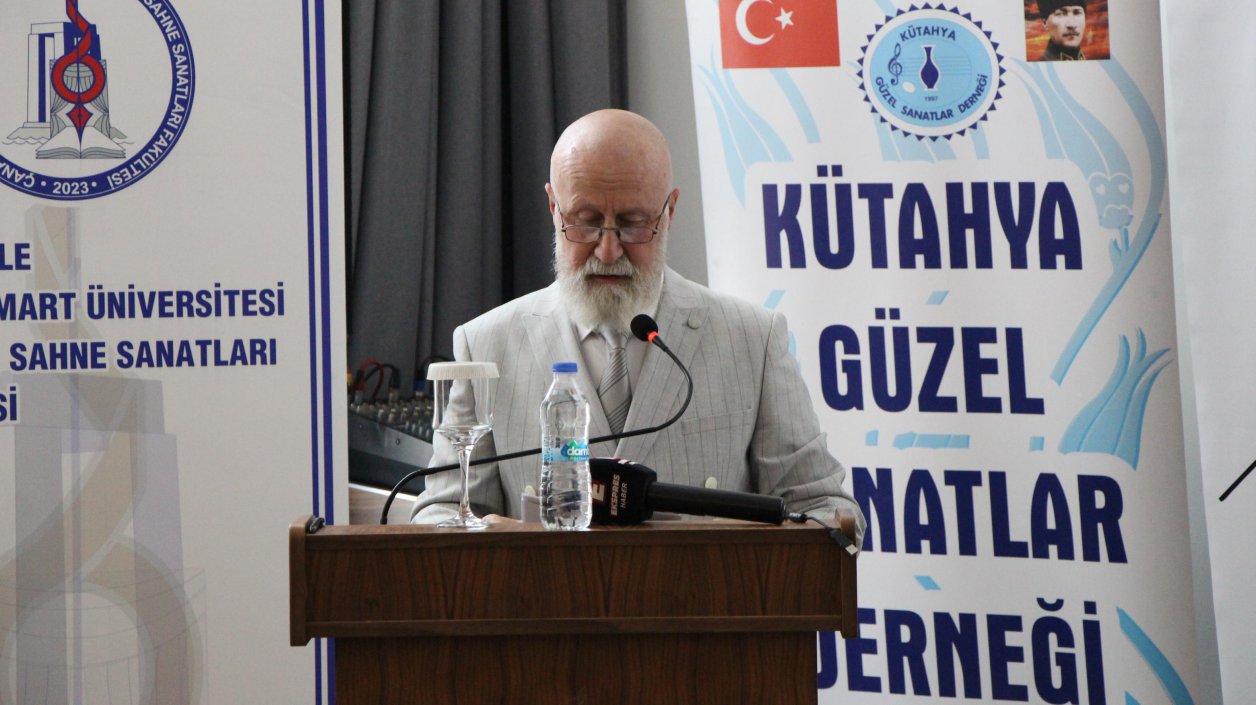 Mustafa Kemal Altınsoy (President of the Kütahya Fine Arts Association)
 -
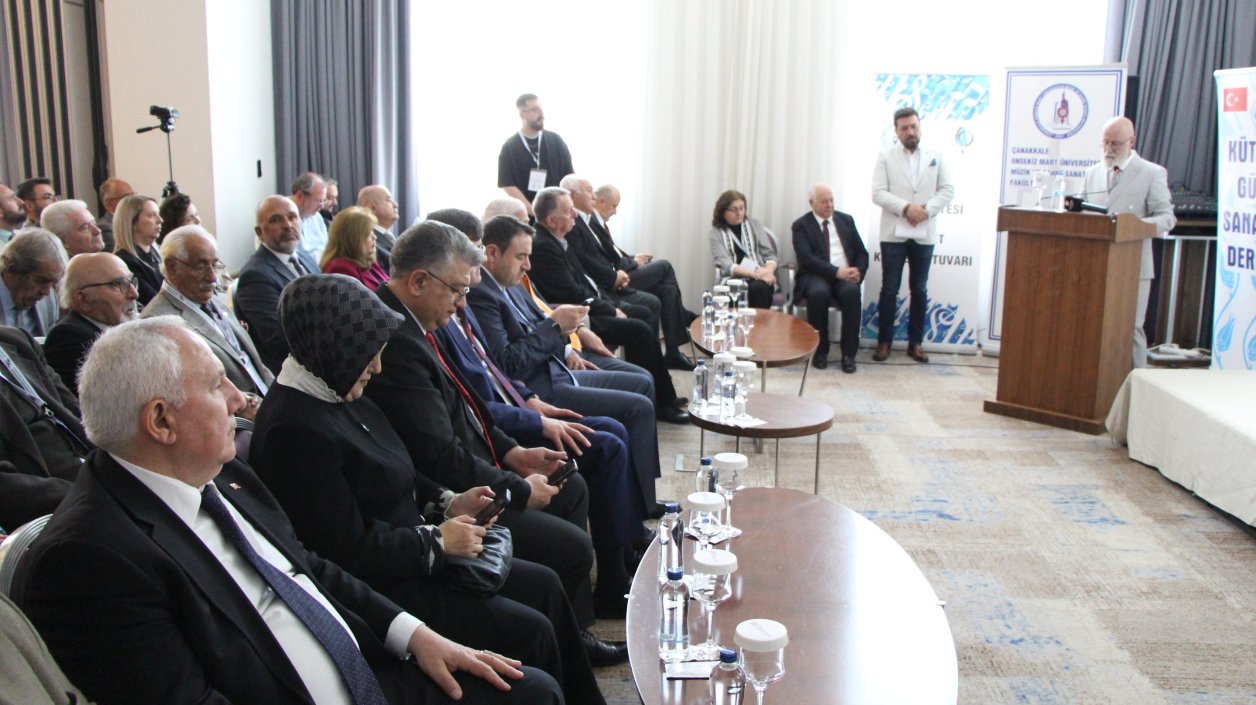 From the Opening Ceremony.
 -
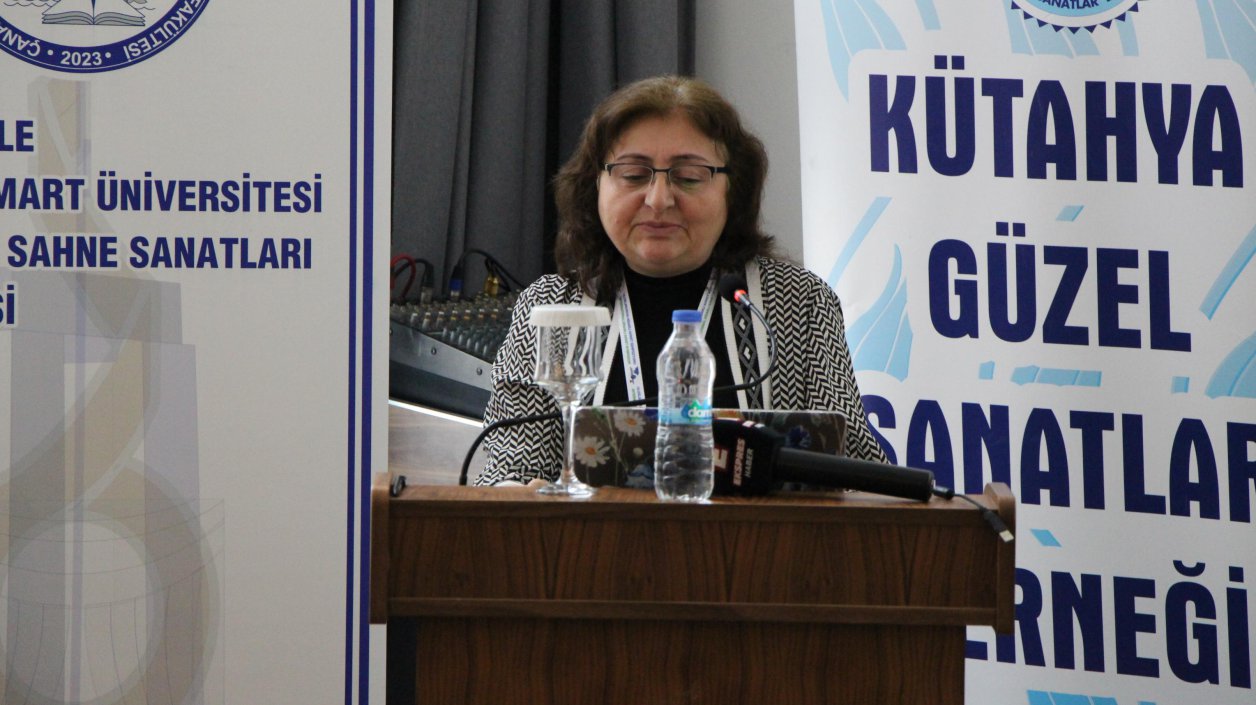 Emel Funda Türkmen (The Chair of Scientific Committee)
 -
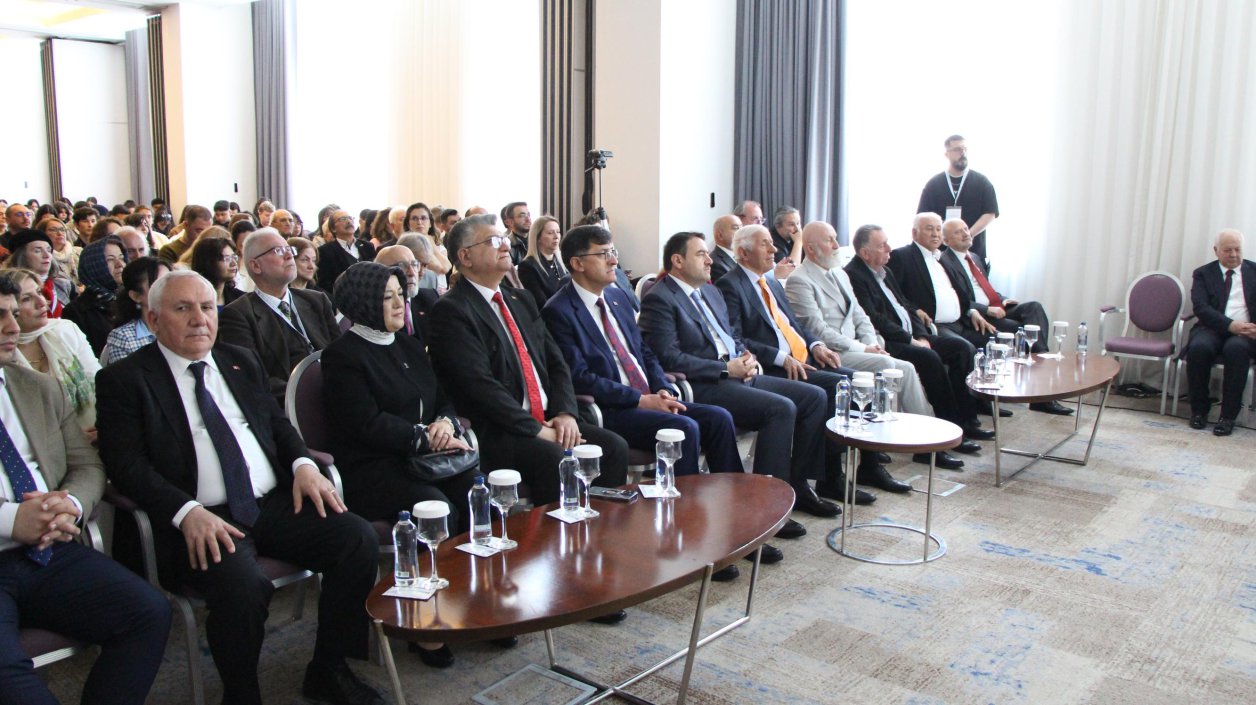 From the Opening Ceremony.
 -
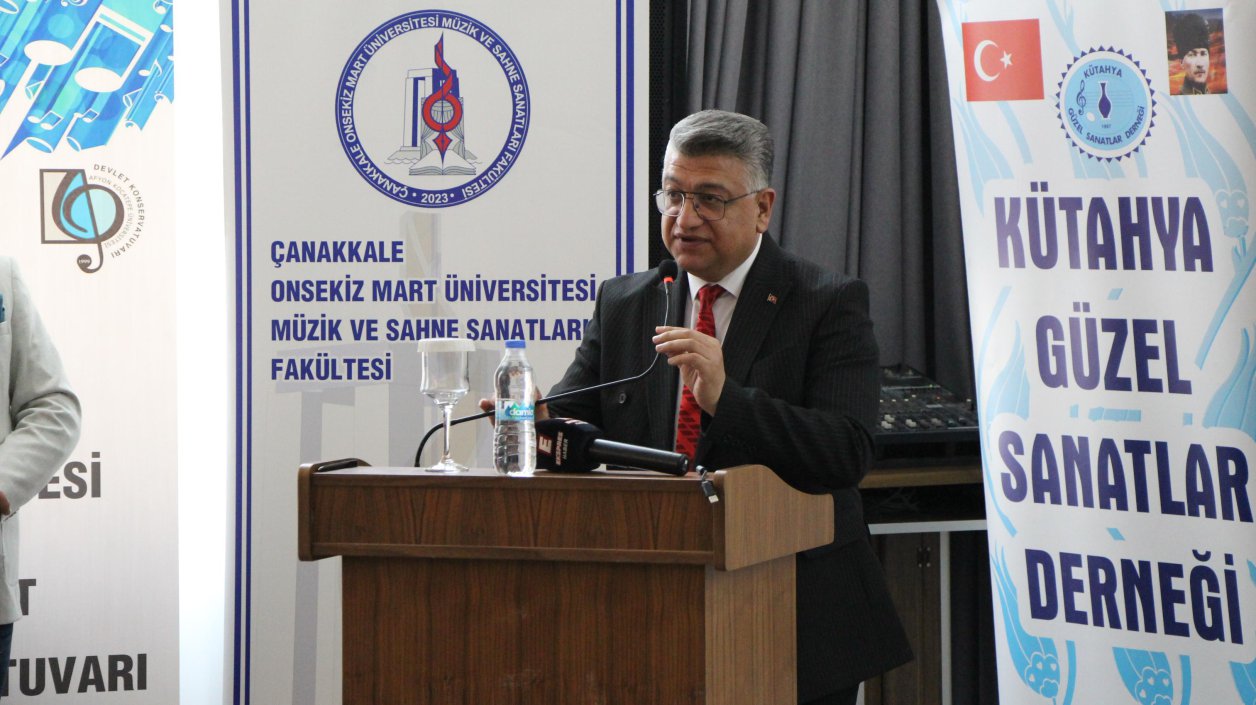 Süleyman Kızıltoprak (Rector of Dumlupınar University)
 -
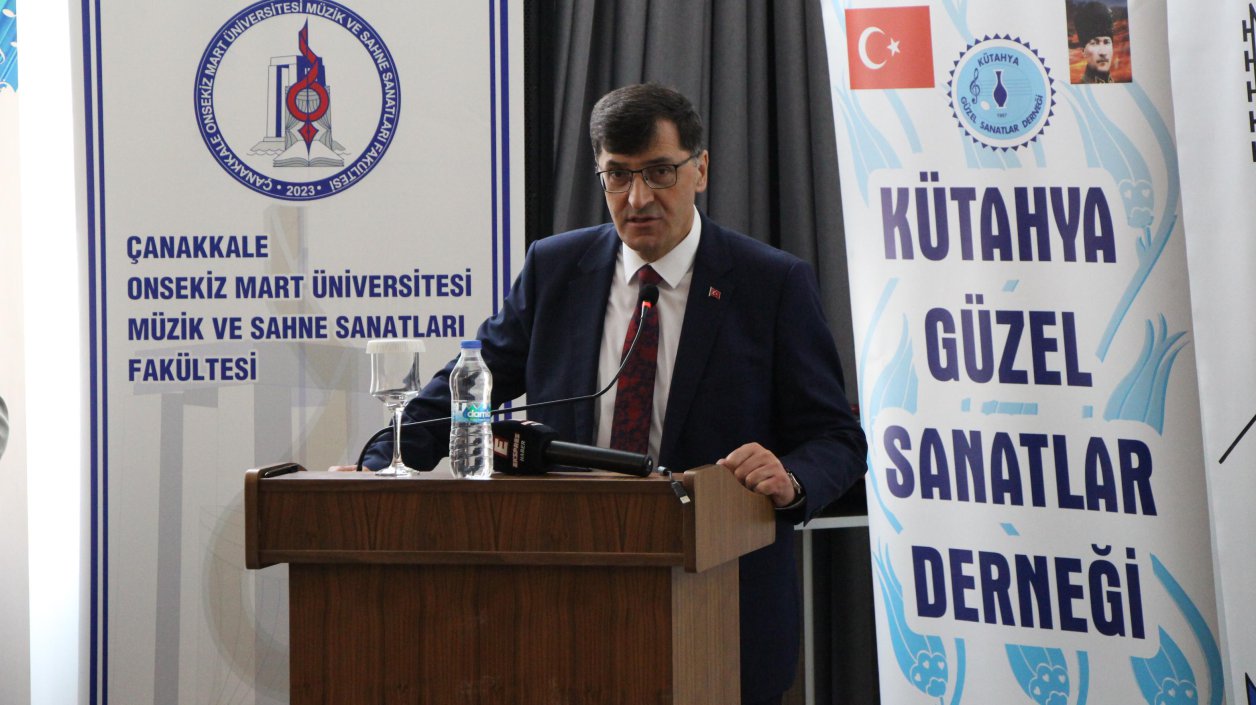 Eyüp Kahveci (Mayor of Kütahya)
 -
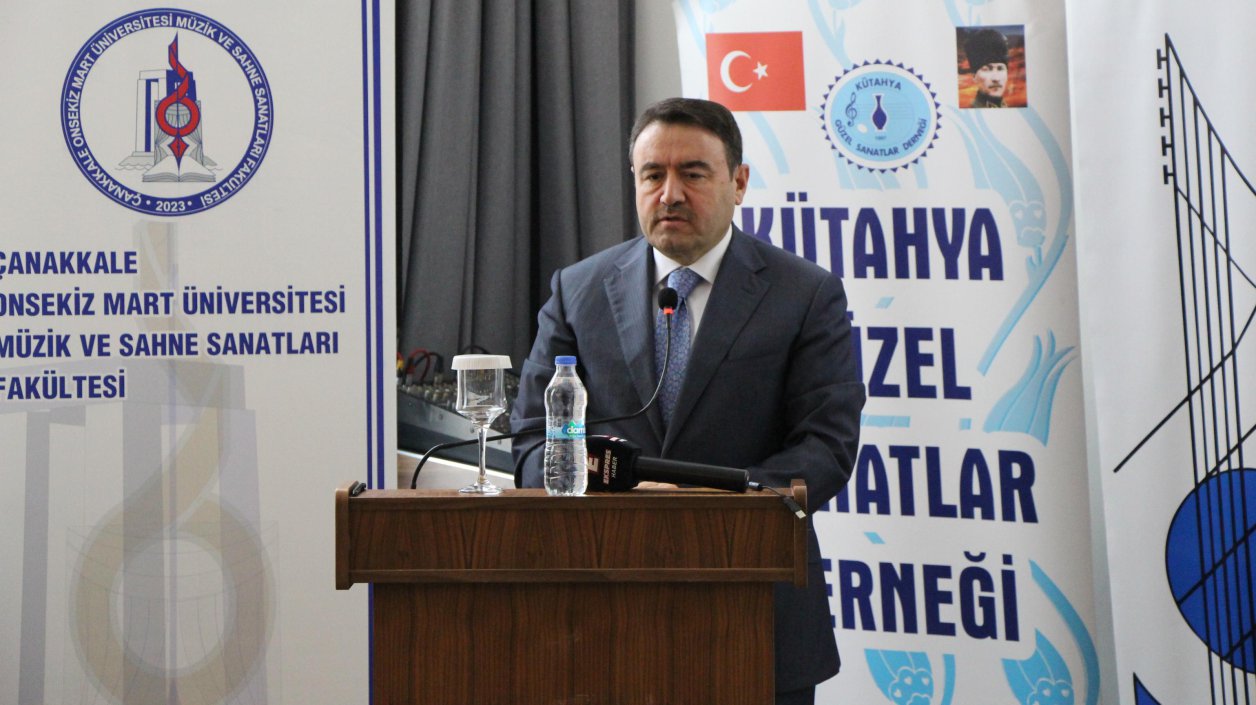 Musa Işın (Governor of Kütahya)
 -
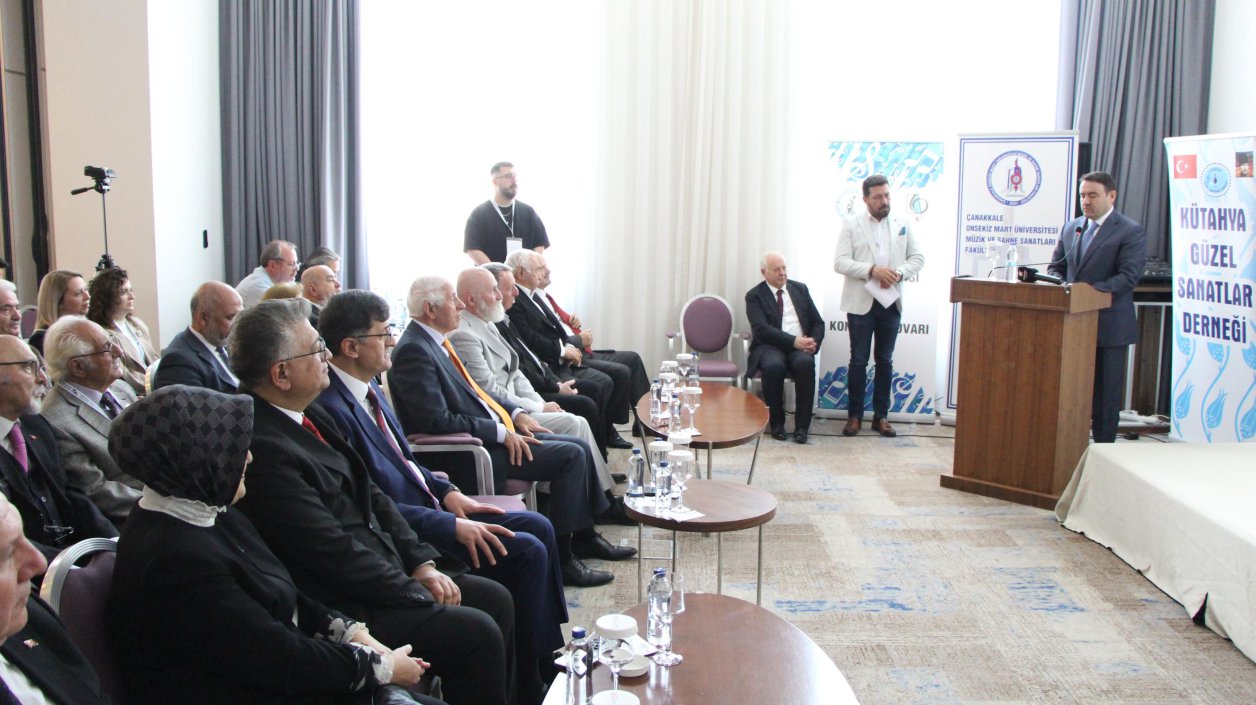 From the Opening Ceremony.
 -
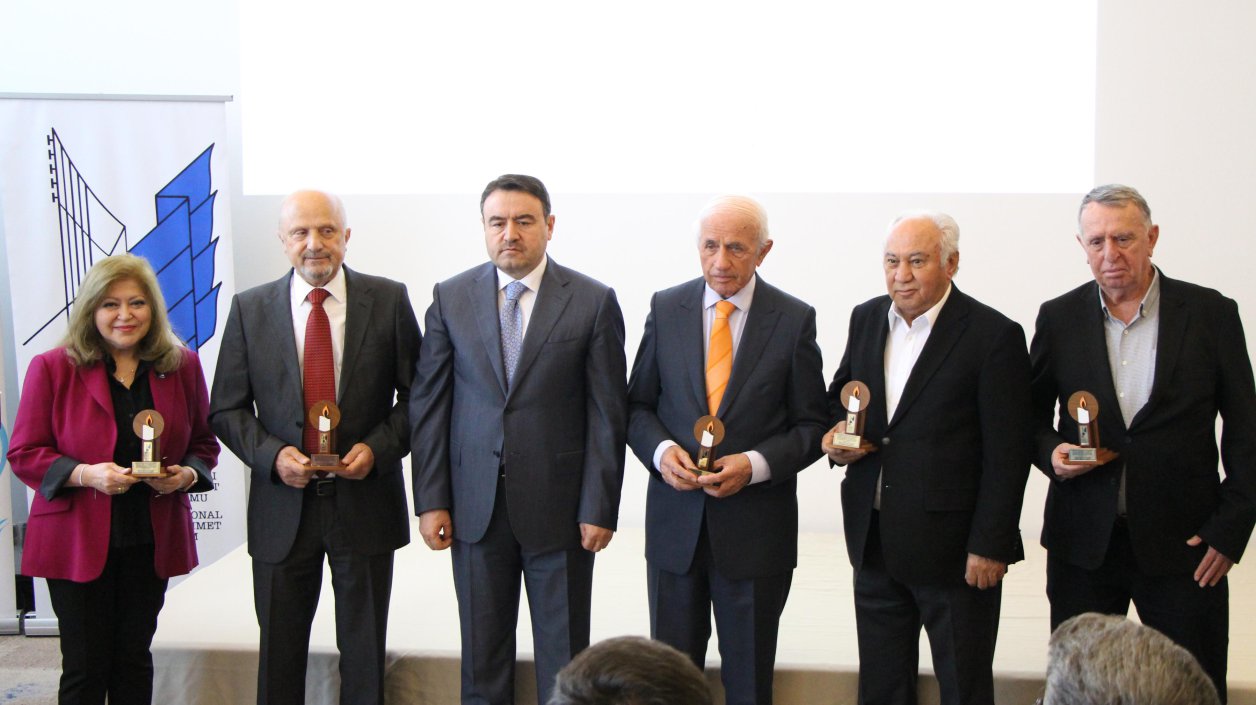 Presentation of plaques to sponsors (From left to right: Emel Yeşertener, Nihat Delen, Musa Işın (presented by Governer of Kutahya), Nafi Güral, İsmet Çatık, Tuncer Kırdar
 -
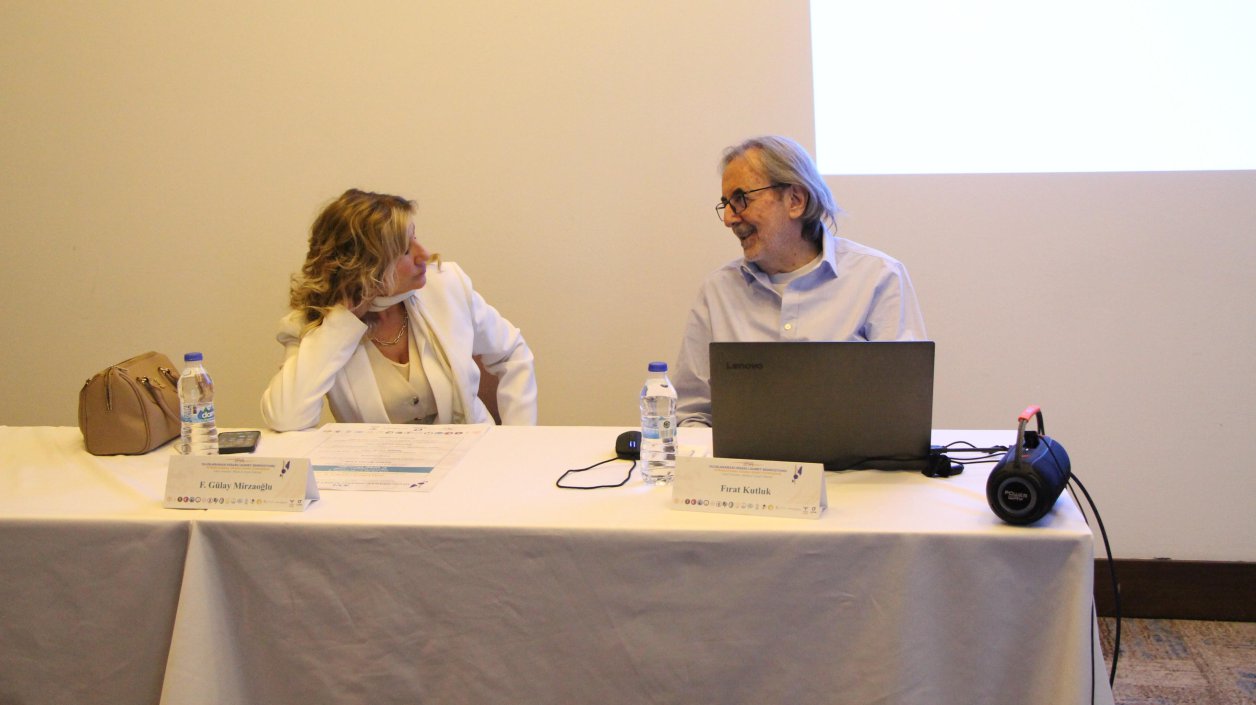
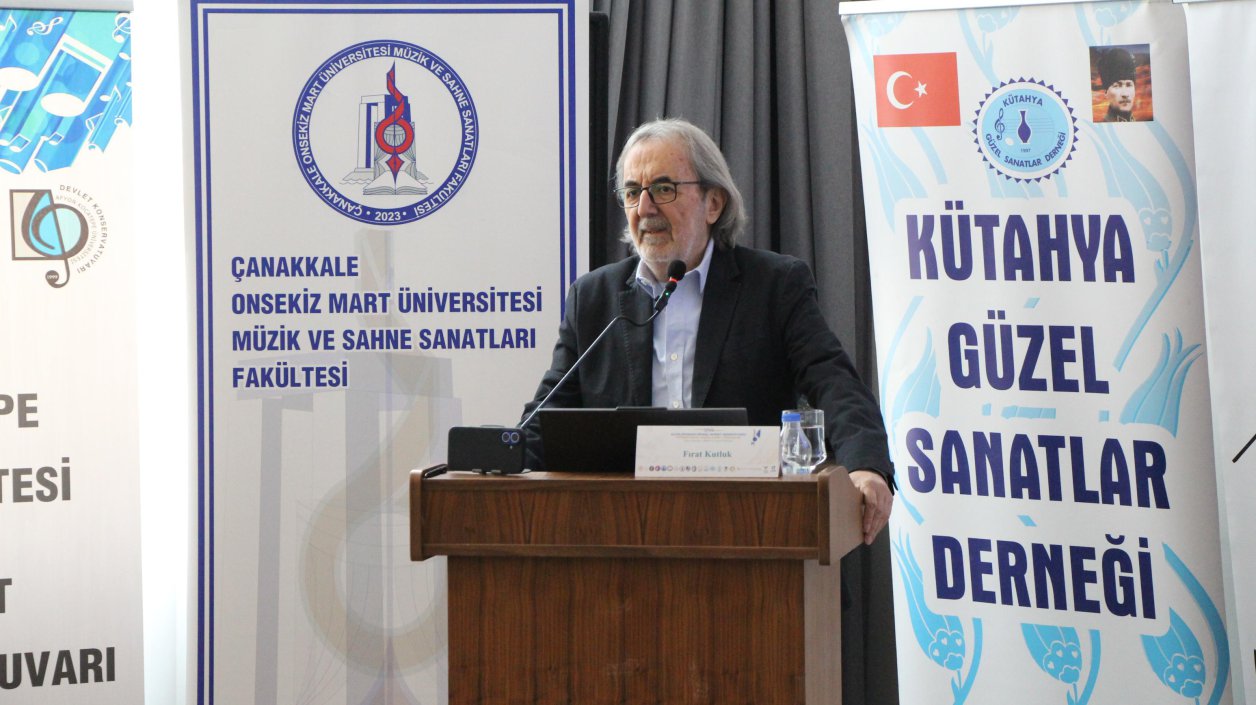 Invited speaker Fırat Kutluk's speech
 -
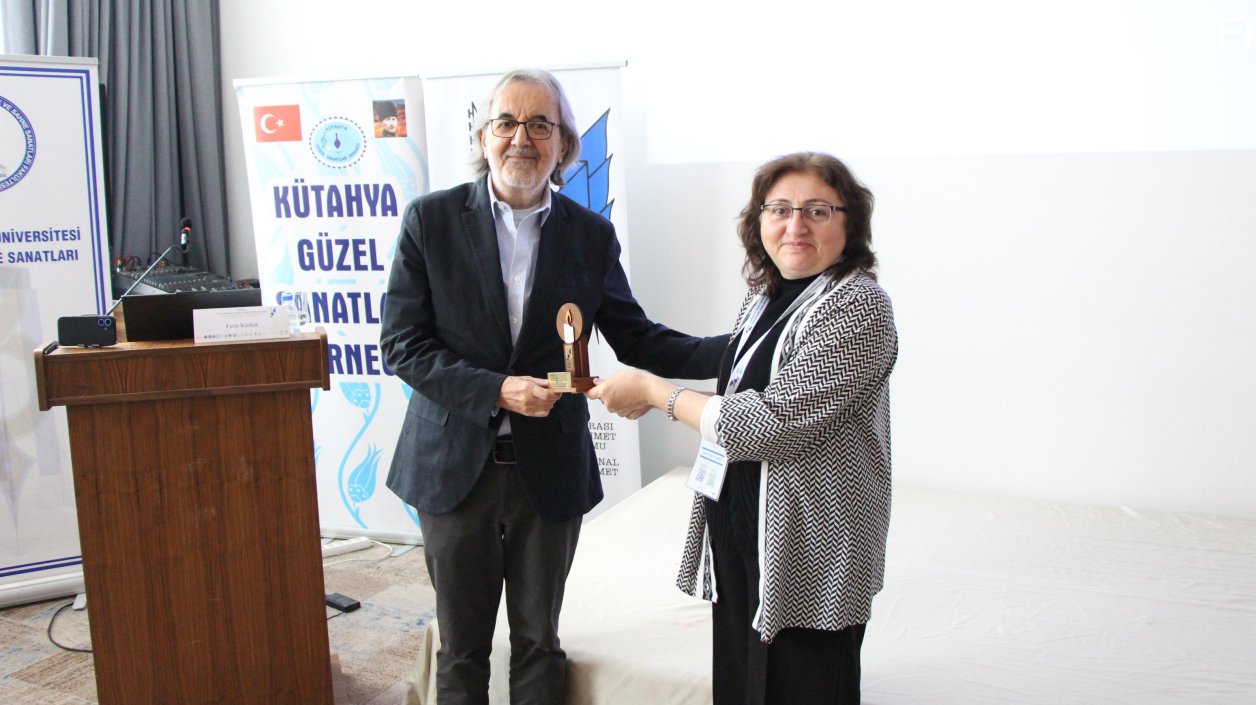 Fırat Kutluk, Emel Funda Türkmen
 -
-
-
-
-
-
-
-
-
-
-
-
-
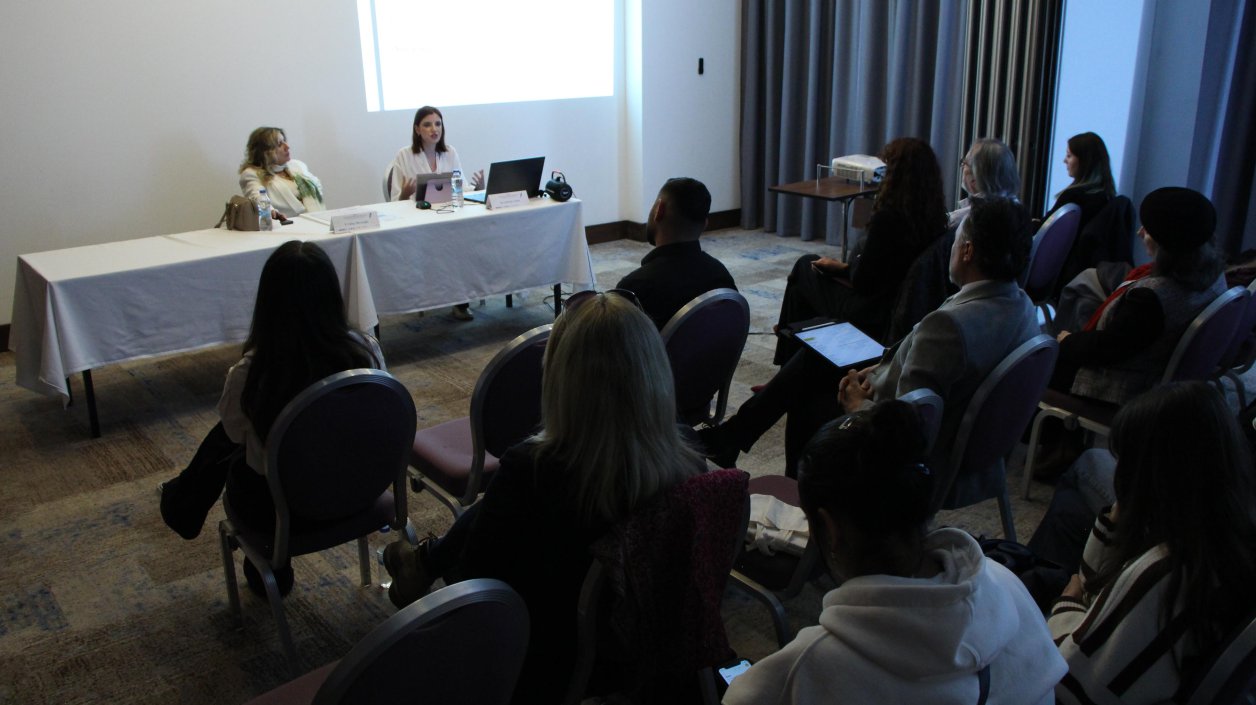
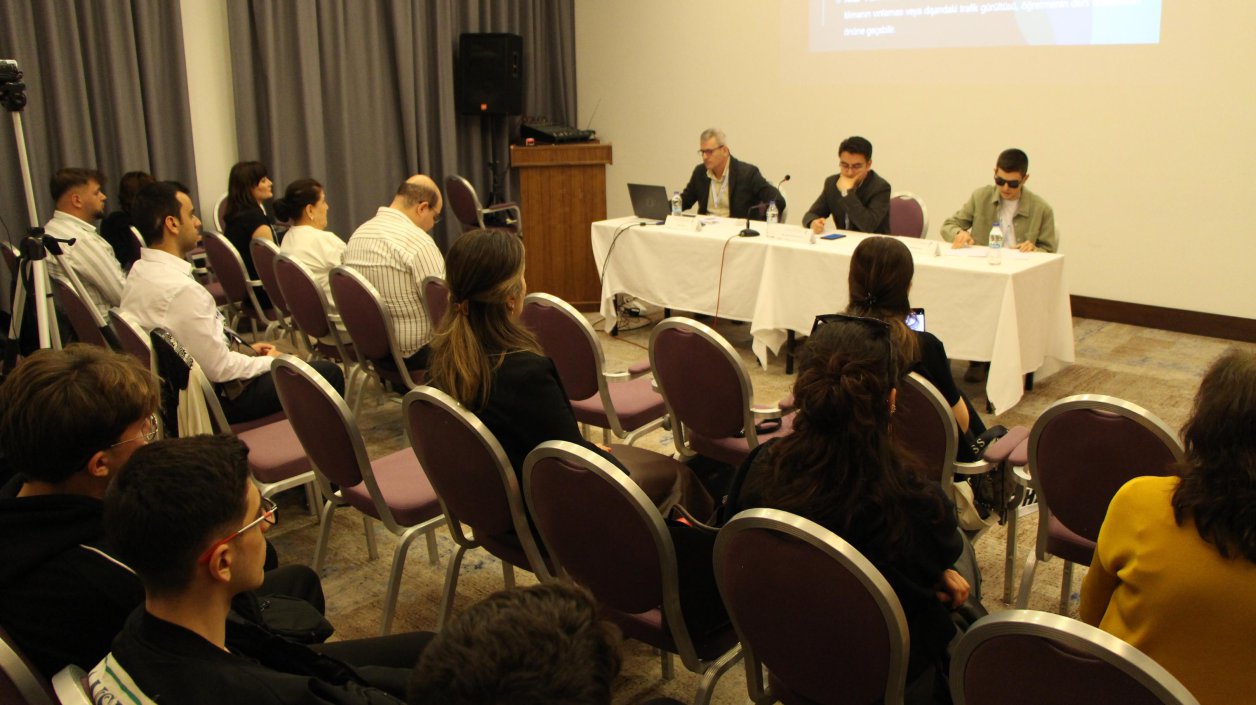
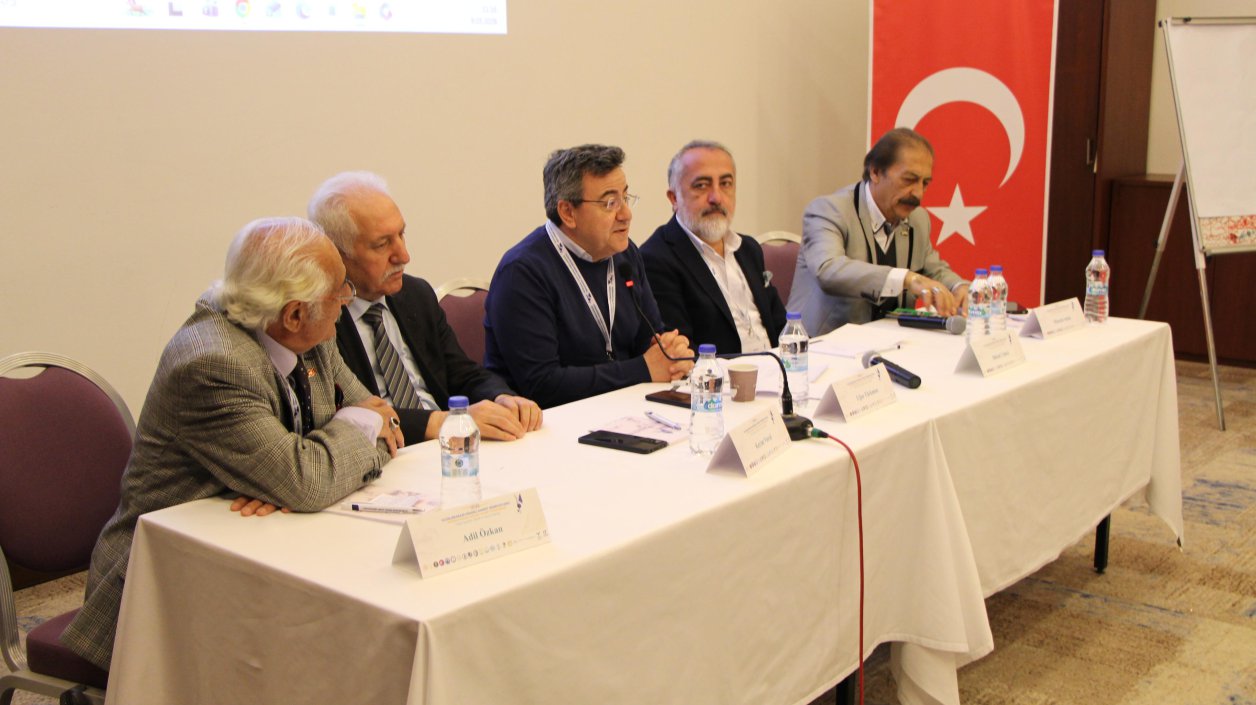 Panel. Left to right: Adil Özkan, Kerim Vural, Uğur Türkmen, Bülent Cebeci, Mustafa Salün
 -
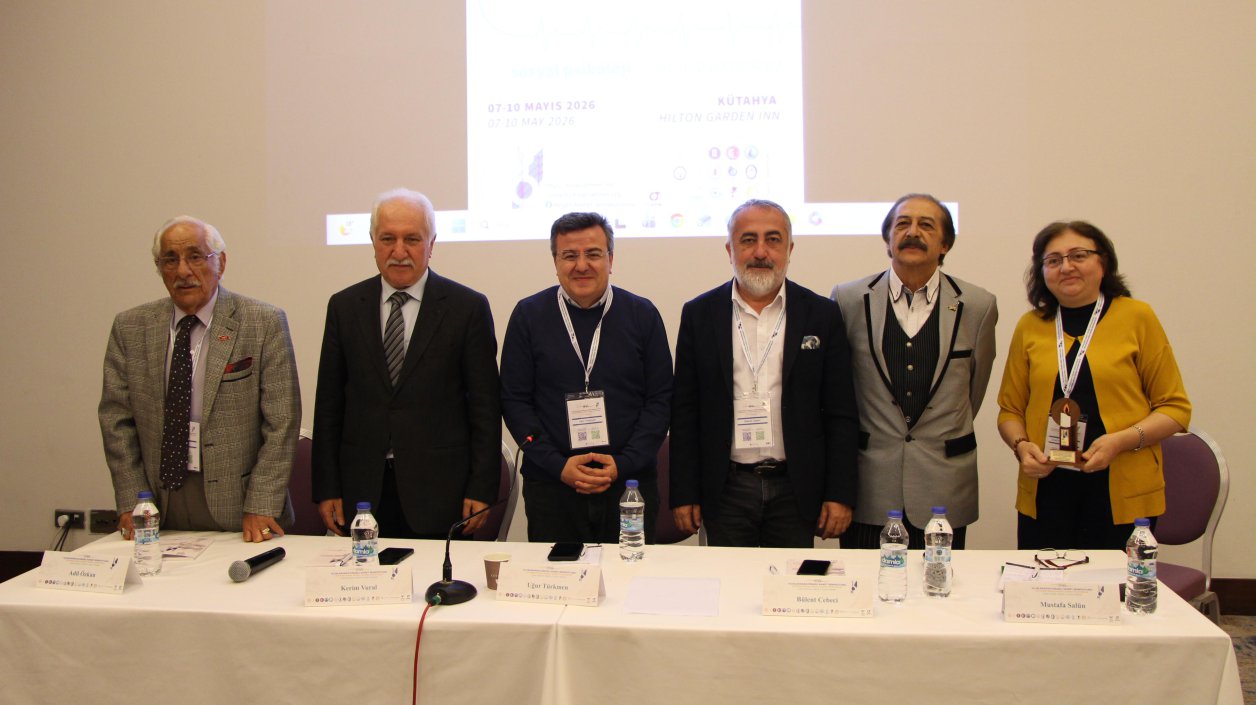 Panelists and Chair of the Scientific Committee (far right)
 -
-
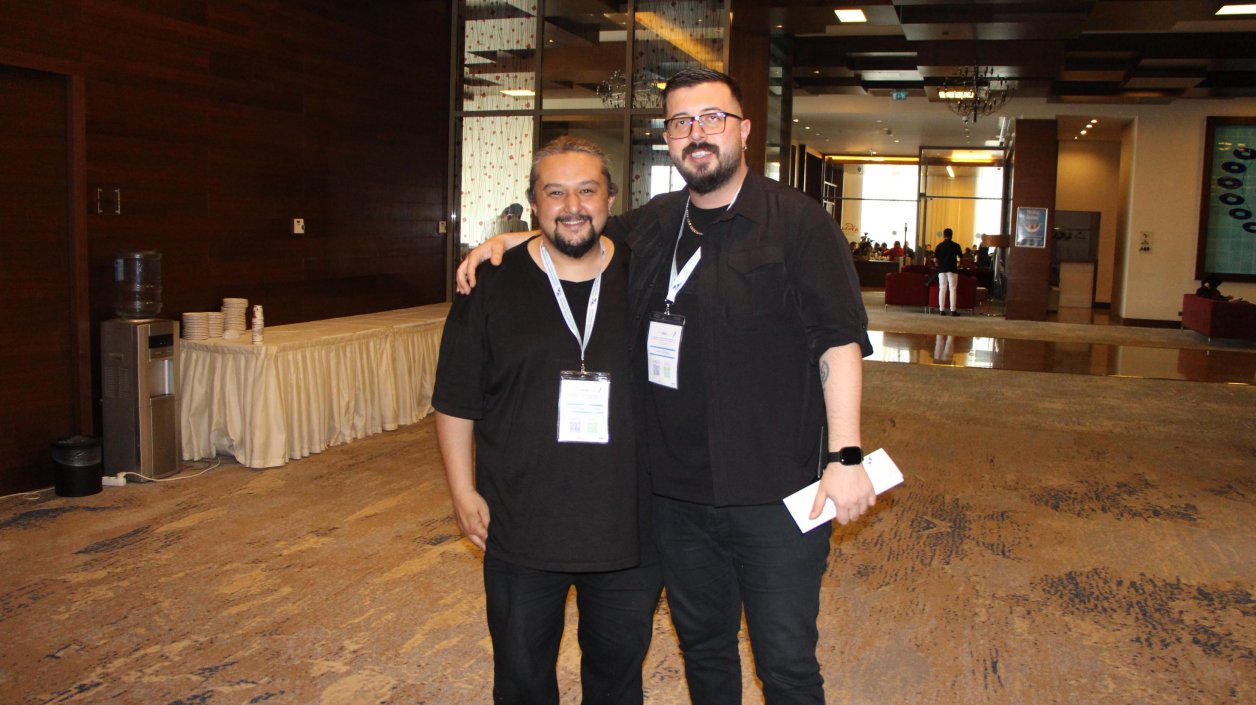 Symposium Technical Staff (A massive cast of two): İsmail Güçlü Taşdelen (isot) on the left and Furkan Gültekin
 -
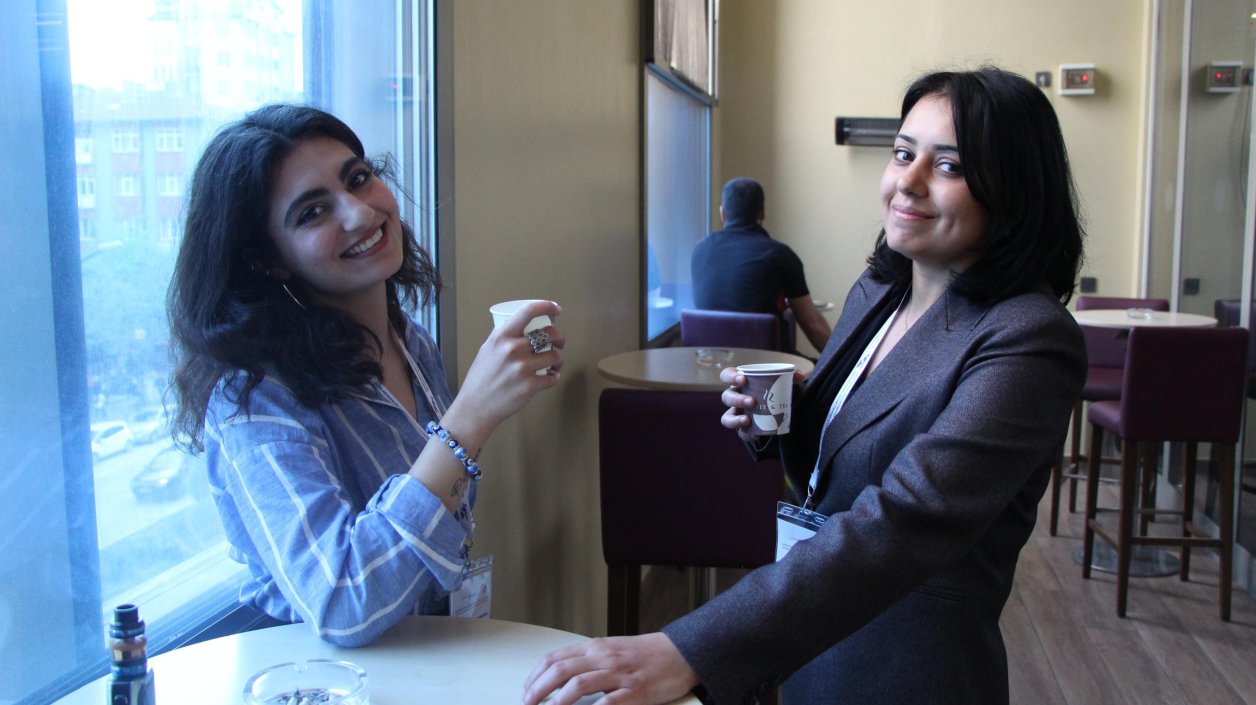 Orginazing Committee Member, Elif Sıla Ağcadağ (left) and Esengül Karademir
 -
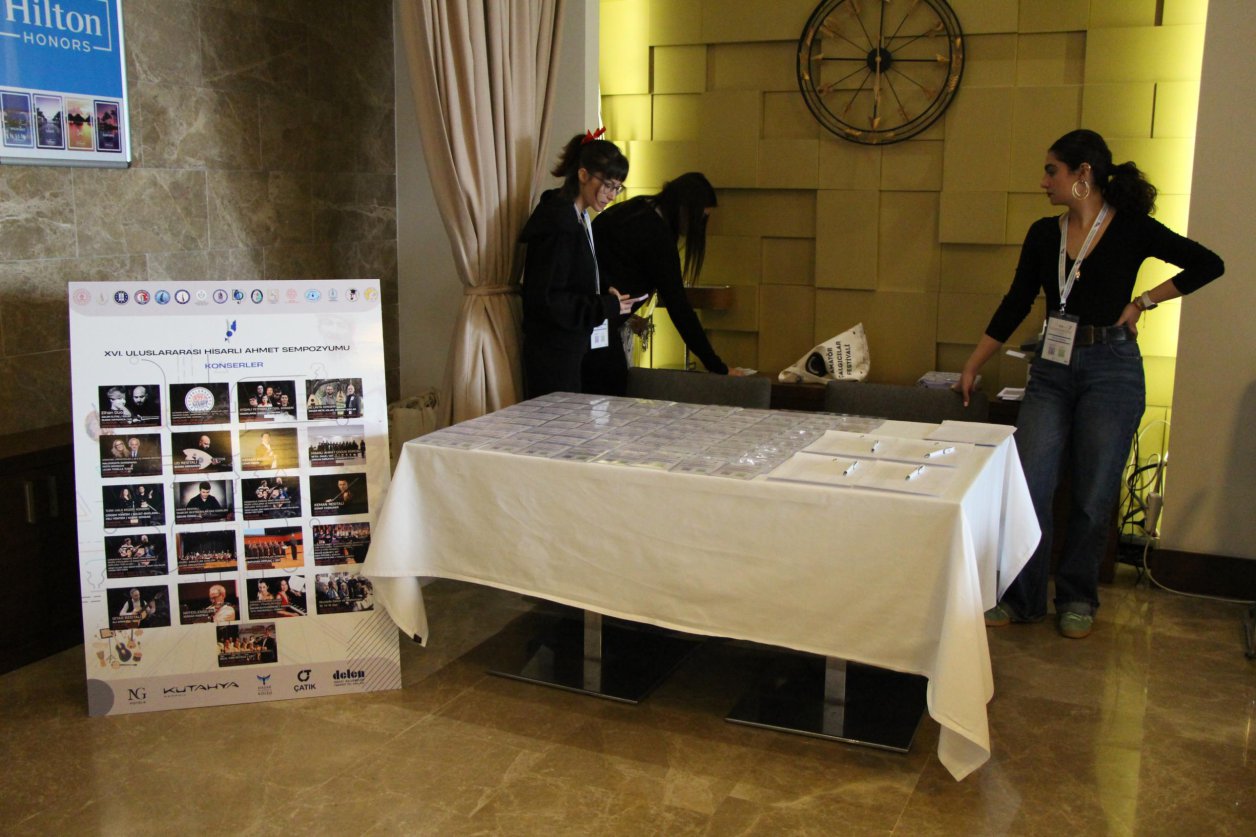 The organizing committee is at work
 -
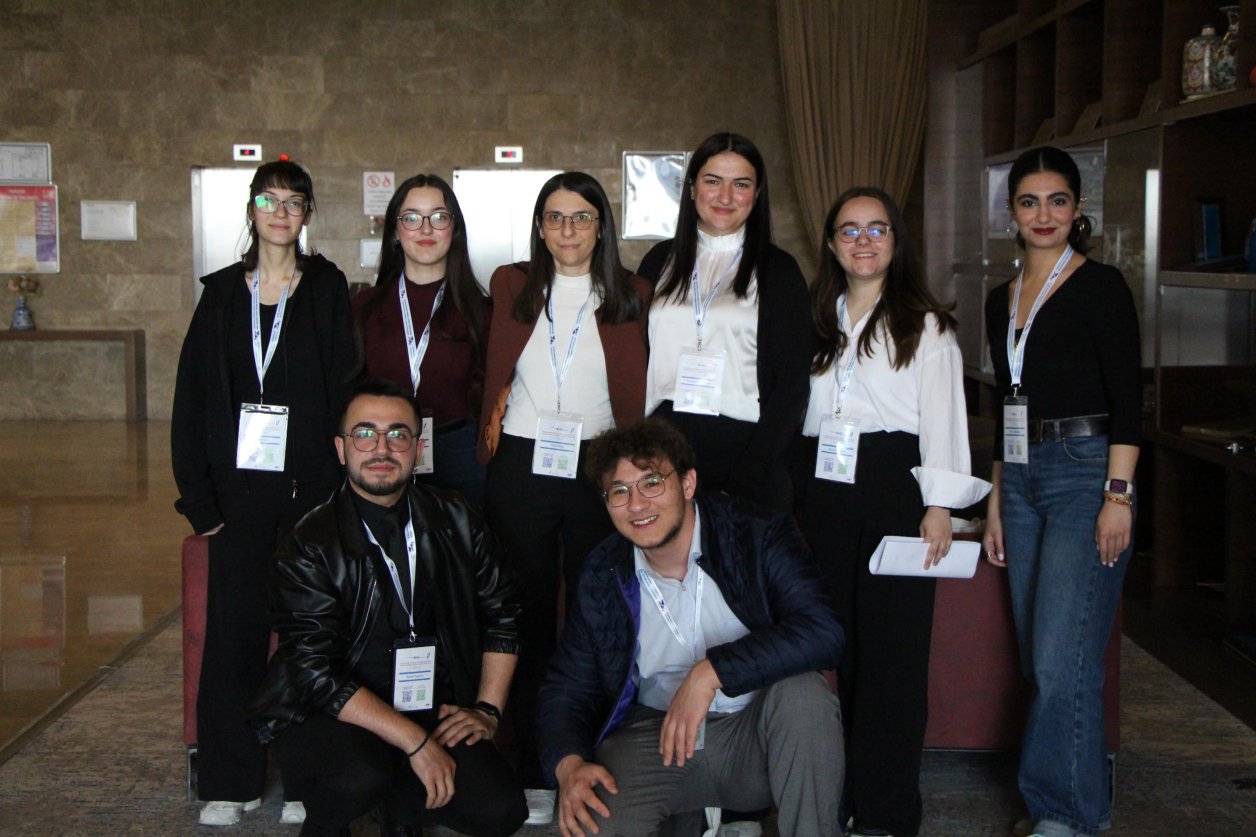 Filiz Yıldız, Chair of the Organizing Committee (third from the left, standing), and committee members
 -
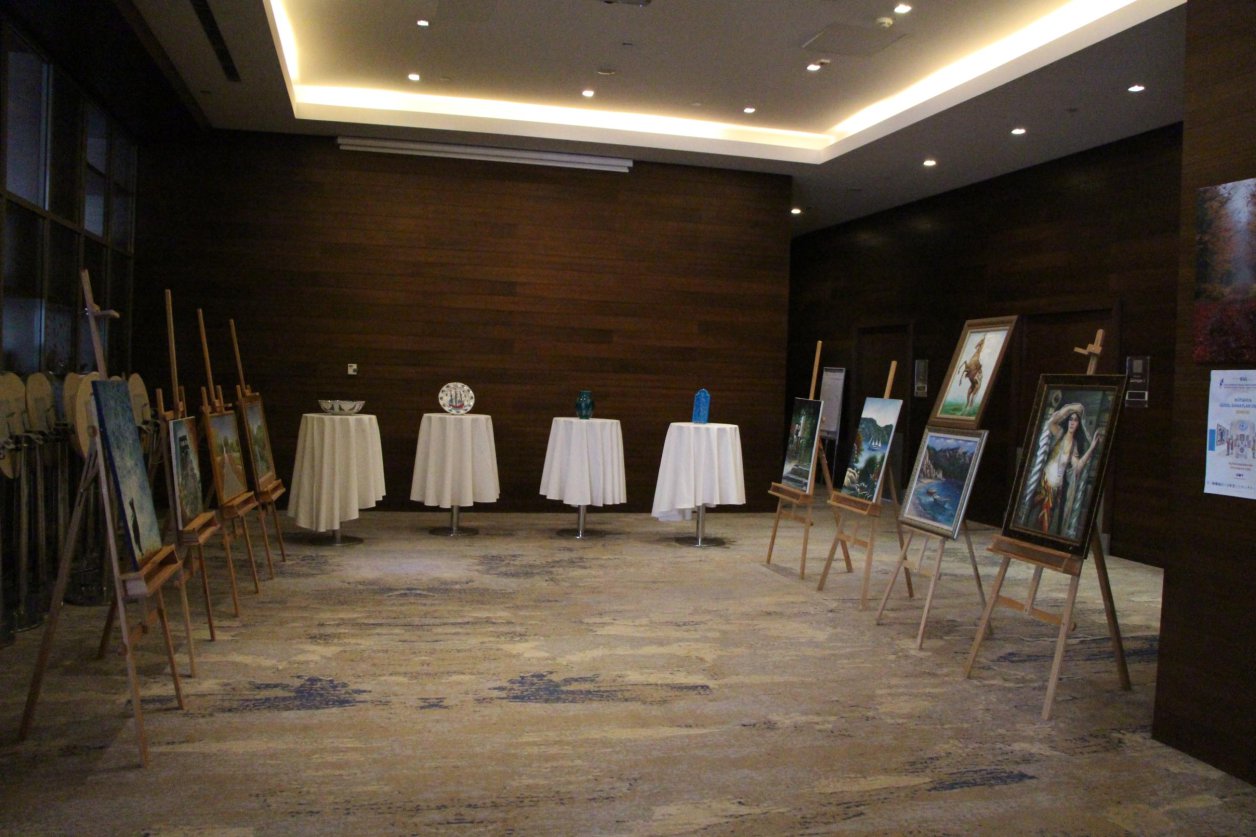 Exhibition of the Symposium (Kütahya Fine Arts Association)
 -
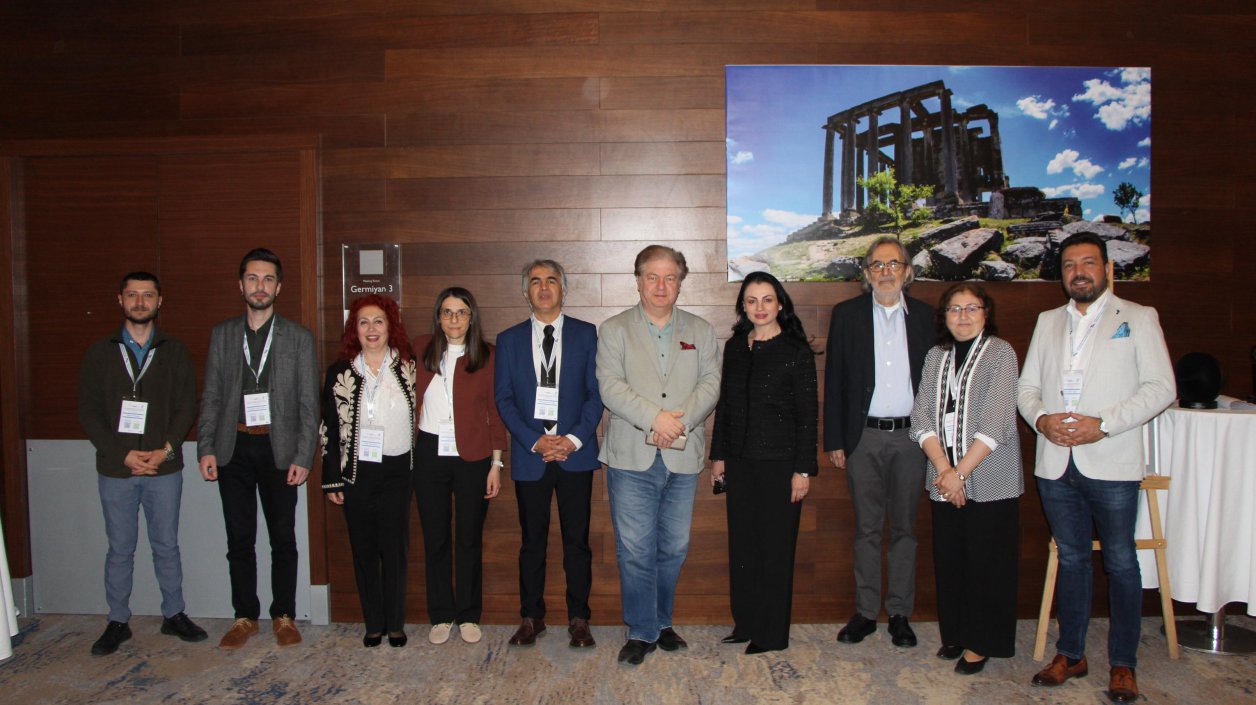 Left to right: Hüseyin Karagöz, Muzaffer Soner Yılmaz, İlknur Özal Göncü, Filiz Yıldız, Mustafa Kemal Yıldız, Cihat Aşkın, Sema Güral, Fırat Kutluk, Emel Funda Türkmen, Yunus Emre Uğur
 -
Aim and Scope
One of the most important features of the International Hisarlı Ahmet Symposia is undoubtedly its "human and society-centered" nature. individual's The symposium's unique, awareness-raising structure, organized around a specific theme with subtopics aligned to it, has been highly appreciated by scholars in the fields of art and music.
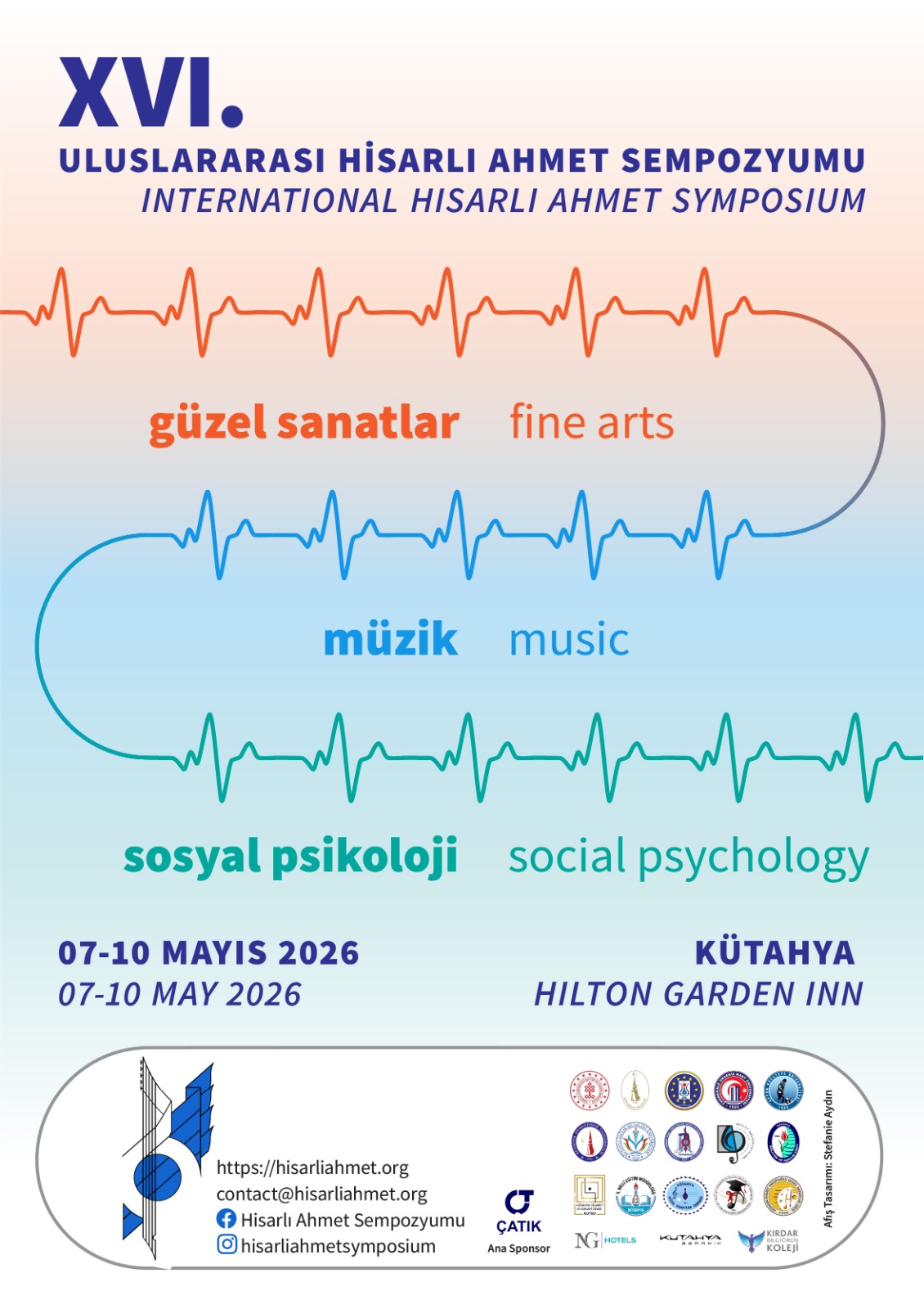
The theme of the 2026 symposium has been determined as "Fine Arts, Music, and Social Psychology.
As human beings are social in nature, all branches of art either directly focus on people or are oriented toward them. In other words, art cannot exist without people, and people cannot exist without art. Art shapes human imagination while also contributing to personal development and scientific progress. This progress is not subjective—it encompasses and embraces the whole of society. At this very point, everything related to human beings—from politics to ethics, from emotional needs to physical needs, and to education—falls within the scope of art.
While the branches of art interact and develop together as a whole, the responsibility then shifts to humans to examine every aspect of this unity and question its nature. Here, social psychology comes into play, assuming the role of a discipline that scientifically studies human behavior and interactions in social life. Cüceloğlu's (2007:38) definition is very clear: "The branch of psychology that examines the interaction of individuals with each other is called social psychology."
The fact that the 16th Symposium in 2026 will encompass not only institutions providing professional music education but also scholars and artists working in faculties of fine arts indicates its commitment to embracing artistic integrity. In this respect, numerous fields—especially traditional Turkish arts, plastic arts, design, and cinema—will contribute with new and original ideas. We believe that the Hisarlı Ahmet Symposium will inspire new research and studies in this context, and we invite scholars and artists to present their work within this theme.
Subtopics
- category Belonging and Social Connectedness
- category Meaning
- category Self
- category Individual Differences
- category Gender
- category Conflict
- category Experimental Aesthetics and Fine Arts, Music in Everyday Life
- category Frustration
- category Adolescence
- category Groups, Community Work, and Social Psychology
- category Clinical and Therapeutic Use of Fine Arts and Music
- category The Social Role of Fine Arts and Music
- category Fine Arts, Music, and Consumer Behavior
- category The Social Psychology of Fine Arts and Music
- category The Social Psychology of Fine Arts and Music Education
- category Anxiety and Stress
- category Interpersonal Attraction
- category Crowd Behavior
- category Collective Memory and Identity
- category Leadership
- category Environmental Factors in the Lifelong Development of Musical Performance Ability
- category Prejudice and Stereotypes
- category Politics
- category Aggression
- category Social Perception
- category Social Cognition
- category Social Influence
- category Stress
- category Prosocial Behaviors
- category Attitudes and Attitude Change
- category Conformity
- category Products, People, and Processes
- category New Media
- category Pleasure and Society
16th Symposium Gallery
Abstracts Book
Click here to download the abstracts book as a .pdf file
Invited Speakers
Chair of Scientific Board
Emel Funda TÜRKMEN
Scientific Committee
|
Emel Funda Türkmen (Chair) |
Çanakkale Onsekiz Mart University (Turkey) |
|
Ahmet Serkan Ece |
Ankara Music and Fine Arts University (Turkey) |
|
Ali Sait Liman |
Bursa Uludağ University (Turkey) |
|
Leonardo De Lisi |
Cherebuni Music Conservatory (Italy) |
|
Didem Çatal |
Çanakkale Onsekiz Mart University (Turkey) |
|
Dolunay Akgül Barış |
Bolu Abant İzzet Baysal University (Turkey) |
|
Duygu Sökezoğlu Atılgan |
Afyon Kocatepe University (Turkey) |
|
Ebru Okuyucu |
Afyon Kocatepe University (Turkey) |
|
F. Gülay Mirzaoğlu |
Hacettepe University (Turkey) |
|
F. Merve Eken Küçükaksoy |
Çanakkale Onsekiz Mart University (Turkey) |
|
Felipe Vargas Magdaleno |
Wisconsin University-Eau Claire (USA) |
|
Gözde Çolakoğlu Sarı |
İstanbul Teknik University (Turkey) |
|
Gözde Kıral Uçar |
Çanakkale Onsekiz Mart University |
|
Graziela Bortz |
São Paulo State University (Brasil) |
|
Gülnihal Gül |
Bursa Uludağ University (Turkey) |
|
Hilara Crestana |
Brazil Parkinson Association (Brazil) |
|
İlknur Özal Göncü |
Gazi University (Turkey) |
|
Junrong Ban |
Nanjing University (People’s Republic of China) |
|
Levent Mercin |
Dumlupınar University (Turkey) |
|
Lilian Maria Tonella Tüzün |
Anadolu University (Turkey) |
|
Maja Ackar |
Sarajevo University (Bosnia and Herzegovina) |
|
Malgorzata Zarebinska |
Rzeszow University (Poland) |
|
Marcus Siqueira |
Fondazione Angelo Masini (Italy) |
|
Nuran Hortaçsu |
Retired Faculty Member (Turkey) |
|
Sibel Paşaoğlu Yöndem |
Akdeniz University (Turkey) |
|
Suzan Duygu Bedir Erişti |
Anadolu University (Turkey) |
|
Süleyman Erguner |
Sebahattin Zaim University (Turkey) |
|
Y. Zhanar Ongarovna |
Kazak Abylay Khan Unv. of Int. Rel. and World Lang. (Kazakhstan) |
|
Zbigniew Granat |
Nazareth University (USA) |
Thank You For Your Contribution
- Republic of Turkey Minister of Culture and Tourism, Mehmet Nuri Ersoy
- Governor of Kütahya, Musa Işın
- Mayor of Kütahya, Eyüp Kahveci
- Rector of Çanakkale Onsekiz Mart University, Prof. Dr. R. Cüneyt Erenoğlu
- Rector of Afyon Kocatepe University, Prof.Dr. Mehmet Karakaş
- Rector of Dulumpınar University, Prof.Dr. Süleyman Kızıltoprak
- Rector of Kütahya Health Sciences University, Prof.Dr. Ahmet Tekin
- Director of Kütahya Provincial of National Education, Mustafa Yılmaz
- President of Kütahya Chamber of Commerce and Industry, Esin Güral Argat
- Director of Kütahya Provincial Culture and Tourism, Zekeriya Ünal
- Director of Kütahya Municipality's Culture and Social Affairs, Yıldırım Akgül
- Director of Kütahya Ahmet Yakupoğlu Fine Arts High School, Ahmet İren
- Kütahya Fine Arts Association
- Çanakkale Onsekiz Mart University State Conservatory
- Afyon Kocatepe University State Conservatory
- Association of Culture and Art of Kutahya for Mevlana Researches
- Afyon Kocatepe University State Conservatory Alumni Association
- Çatık Mining Company, İsmet Çatık (MAIN SPONSOR)
- Kütahya Seramik, Nafi Güral
- Delen Trade Company Inc., Nihat Delen
- Kırdar Bilgiören College, Rafet Kırdar
- Kaşi Ahmet Tile Ceramic Company, Ahmet Özmutaf
- Başkent Music Store
- İzge Publication